The Importance of Hydration for Pets’ Overall Health
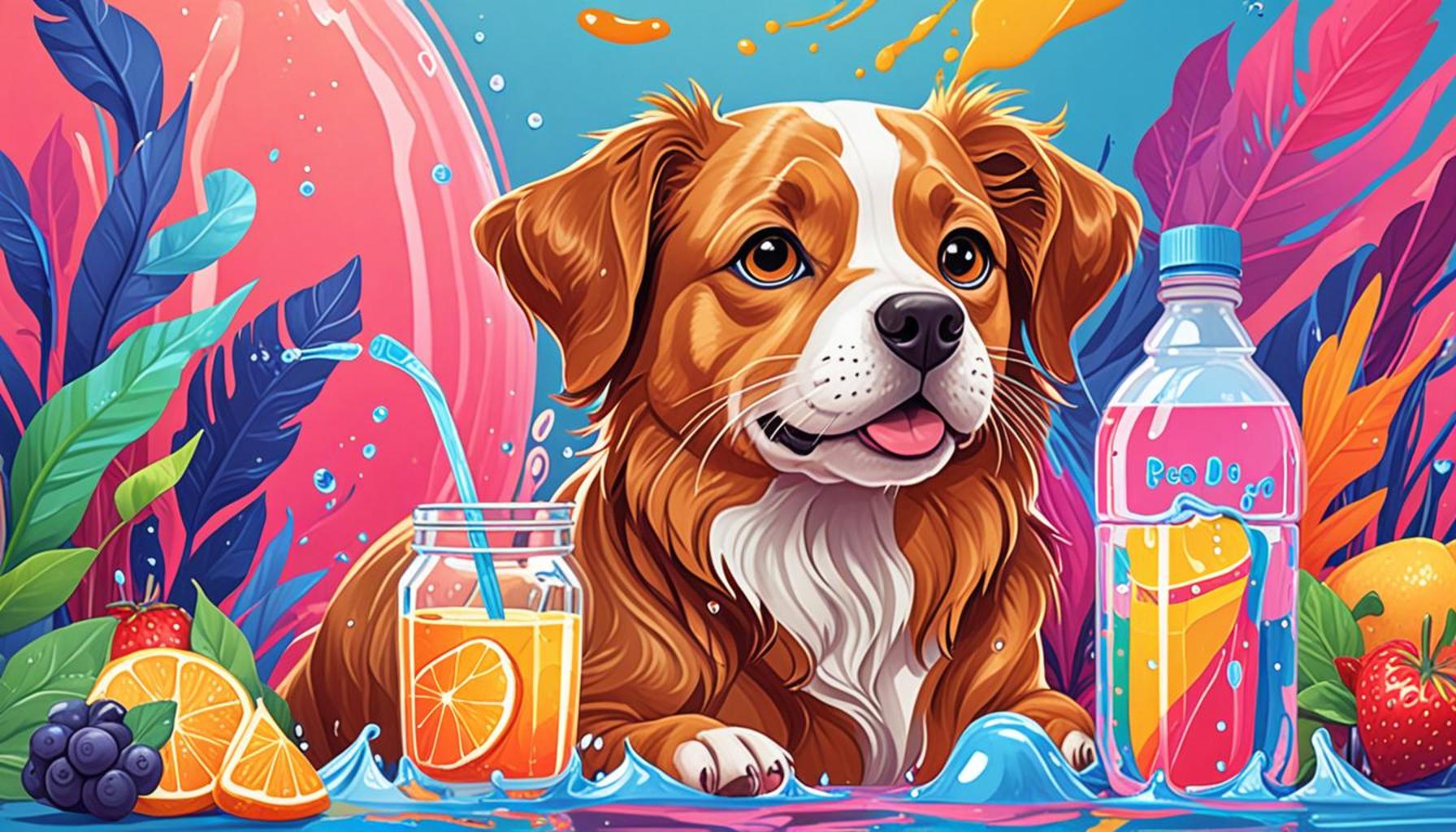
The Importance of Hydration for Pets
As pet owners, we often focus on a balanced diet, regular exercise, and veterinary check-ups, but one fundamental aspect that deserves equal attention is hydration. Just as with humans, adequate hydration is essential for your pets’ health and well-being. Insufficient water intake can lead to various health issues that can significantly impact their quality of life. Below, we dive deeper into why ensuring your furry friends stay well-hydrated is critical.
Regulates Body Temperature
Pets, like humans, can struggle with temperature regulation, especially when exposed to extreme heat. Proper hydration ensures that pets can effectively cool down through processes such as panting and sweating through their paw pads. For instance, during scorching summer days, a dehydrated dog is more prone to heat stroke—an emergency condition that can be life-threatening. Make sure your pet has access to clean, fresh water, particularly after vigorous play or during long walks in the sun.
Supports Digestion
Water plays an essential role in the digestive process. It helps dissolve nutrients, making them easier for the body to absorb. Insufficient water can lead to digestive problems like constipation, which can be particularly uncomfortable for pets. For example, dogs that are dehydrated may strain during bowel movements, leading to further complications such as intestinal blockages. Keeping an eye on your pet’s water intake can make all the difference in their digestive health.
Aids Kidney Function
The kidneys are vital organs that filter waste from the blood and maintain a balance of electrolytes and fluids in the body. Hydrated pets generally exhibit better kidney function, which is essential for preventing urinary tract diseases and chronic kidney conditions. Urinary tract infections (UTIs) are common among pets that don’t drink enough water, leading to painful urination and frequent vet visits.
Consequences of Dehydration
The repercussions of inadequate hydration are alarming. Symptoms of dehydration can manifest as lethargy, dry and tacky gums, and a noticeable decline in appetite. If these signs go untreated, pets can face severe complications like:
- Dehydration: Persistent dehydration can result in organ dysfunction, particularly affecting the kidneys and liver.
- Urinary Tract Issues: Concentrated urine increases the likelihood of bladder stones, urinary blockages, and recurrent infections.
- Joint Problems: Proper hydration helps maintain synovial fluid necessary for joint lubrication, mitigating pain and maintaining mobility.
Pet ownership is soaring in the U.S., with about 70% of households owning a pet. In this context, emphasizing hydration could significantly enhance the well-being of millions. Make a habit of checking your pet’s water bowl multiple times a day and consider investing in water fountains designed to appeal to pets, promoting their natural instinct to drink more. Remember, your vigilance in ensuring proper hydration can play a decisive role in the longevity and happiness of your furry companions.
DON’T MISS OUT: Click here to learn essential tips
The Role of Hydration in Nutrient Absorption
Hydration is not merely about quenching thirst; it serves as a pivotal element in the overall functioning of your pet’s body. Water is essential for nutrient absorption, acting as a transport mechanism that channels nutrients from the digestive tract into the bloodstream. These nutrients, once absorbed, fuel vital bodily functions, support growth, repair tissues, and maintain overall health. For instance, minerals like calcium and magnesium require adequate amounts of water to be effectively utilized by the body. When a pet is not properly hydrated, it can hinder the absorption of these crucial nutrients, leading to deficiencies that can manifest in various forms, such as weak bones or poor muscle function.
Moreover, a well-hydrated pet generally shows improved skin elasticity, healthier fur, and a more robust immune system. Conversely, insufficient hydration can compromise their health by weakening the immune response, making them more susceptible to illnesses and infections. Therefore, it’s imperative that pet owners prioritize hydration alongside a balanced diet to ensure their animals receive the comprehensive care they need.
Importance of Hydration During Exercise
Hydration becomes even more critical for active pets. Just as human athletes need to hydrate to enhance performance, our furry companions require the same attentiveness. During exercise, pets lose fluids not only through regular activity, like running and playing, but also through panting, which is their primary way to cool down, especially in warm weather. This loss of water can lead to rapid dehydration if not properly managed.
To combat dehydration, it’s essential that pets have uninterrupted access to fresh, clean water during and after exercise sessions. This could be as simple as carrying a portable water bottle on walks or providing a bowl filled with water after playtime. A well-hydrated pet is not only able to perform at their peak but also recovers more quickly from fatigue, allowing them to lead a more vibrant and active lifestyle.
Indicators of Dehydration to Watch For
Spotting the signs of dehydration early can be crucial for your pet’s health. Pet owners should be observant for the following symptoms, which indicate when hydration levels are becoming concerning:
- Dry Gums: Healthy gums are typically moist and pink. If your pet’s gums appear dry or tacky, it might be an indicator of dehydration.
- Panting: While panting is a normal behavior for pets, excessive panting—especially in cooler environments—can signal that your pet is losing too much fluid.
- Loss of Skin Elasticity: A useful check involves gently pulling the skin on the back of your pet’s neck. If the skin does not quickly snap back into place, it may suggest dehydration.
- Decreased Urination: A decline in urination frequency or the presence of dark yellow urine should raise concerns about your pet’s fluid intake.
Maintaining proper hydration is a simple yet often overlooked aspect of pet care. With approximately 70% of households in the U.S. owning pets, recognizing the critical role of hydration can lead to healthier, more active companions. Making hydration a regular part of your pet’s routine is essential, whether by providing visually appealing water bowls, offering ice cubes as a refreshing treat, or incorporating wet food into their diet. Each of these methods contributes to ensuring that your beloved furry friends remain hydrated and thrive in their environments.
The Importance of Hydration for Pets’ Overall Health
Proper hydration is a cornerstone of pet health, profoundly impacting their physical and mental well-being. Water plays essential roles in every body’s biological processes, and pets are no exception. It’s crucial for functions such as digestion, temperature regulation, and nutrient absorption. Understanding the importance of hydration can help you optimize your pet’s health and longevity.
In many cases, pet owners underestimate how much water their furry friends need. Factors such as age, weight, activity level, and even the weather can significantly influence hydration needs. For instance, an active dog may require more water after an energetic play session, especially in hot weather when dehydration can set in rapidly. Cats, known for being less inclined to drink, might require encouragement through wet food or water fountains to ensure they stay hydrated.
Moreover, chronic dehydration can lead to serious health complications such as kidney stones, urinary tract infections, and even organ failure. To combat this, pet owners should regularly monitor their pets’ water intake and make clean, fresh water readily accessible at all times. Aside from drinking water, incorporating high-moisture food can enhance hydration, offering an additional avenue for water intake.
| Hydration Advantage | Health Benefits |
|---|---|
| Maintains Body Temperature | Helps regulate pets’ body temperature, preventing overheating during exercise or hot weather. |
| Promotes Digestive Health | Aids in digestion and nutrient absorption, reducing the risk of gastrointestinal issues. |
Understanding these factors empowers pet owners to take proactive measures in preventing dehydration. Monitoring your pet’s water intake and providing suitable hydration options should be a priority for every responsible pet owner. By prioritizing hydration, you can enhance your pet’s overall health, ensuring they enjoy a happy and active life.
DISCOVER MORE: Click here for essential tips on preparing your pet
Hydration’s Impact on Kidney Function
The kidneys play a vital role in filtering waste products and excess substances from your pet’s body, and adequate hydration is essential for optimal kidney function. Water acts as a solvent, helping to dissolve and eliminate toxins and metabolic waste through urination. In cases where pets do not consume enough water, their bodies struggle to flush out these harmful substances, which can lead to urinary tract issues or kidney disease over time. Research shows that pets that drink sufficient water are less likely to develop crystals or stones in their urinary tract, which can be both painful and costly to treat.
Moreover, chronic dehydration can result in a condition known as kidney failure, which affects millions of pets across the United States annually. Keeping your pet hydrated through regular watering practices not only supports their immediate health but may also help prevent long-term health complications that can arise from neglecting their fluid needs. Offering a variety of water sources—such as running water fountains and bowls—can entice them to drink more, making hydration an effortless aspect of their daily routine.
Hydration’s Role in Thermoregulation
Pets rely heavily on hydration for thermoregulation, particularly during the sweltering summer months when temperatures soar. Just like humans, pets dissipate heat primarily through sweating (in small quantities) and panting. The water lost in this process must be replenished, as dehydration can increase the risk of heatstroke. According to the American Kennel Club, heat-related illnesses can become life-threatening within minutes if signs of excessive panting, lethargy, or confusion go unrecognized.
When outdoor temperatures rise, pet owners should be proactive in ensuring that their furry friends stay cool and hydrated. This may involve scheduling walks during cooler parts of the day, providing shade and water wherever they go, or even investing in pet-friendly cooling mats. Just a few extra steps can help ensure that pets enjoy their outdoor activities while staying safe and hydrated.
Creative Ways to Encourage Hydration
While many pets will drink water on their own, adding some creativity to their hydration routine can significantly increase their fluid intake. Pet owners can incorporate wet food into their pets’ diets as a means of boosting hydration, since these foods can contain up to 75% water. Additionally, offering limited-ingredient broths or frozen treats made from low-sodium broth can tempt even the pickiest of eaters to consume more fluids.
For those looking to elevate their pet’s drinking experience, engaging water fountains with filters can attract pets due to the movement and coolness of fresh water. Similarly, providing a variety of drinkware—like bowls of different shapes and heights—can pique their interest and encourage frequent drinking. Ultimately, finding an approach that complements your pet’s preferences fosters a healthy hydration habit that can support their overall well-being.
DIVE DEEPER: Click here to learn more about effective puppy training
Conclusion
Ensuring that your pet receives adequate hydration is crucial for their overall health and well-being. From supporting kidney function to regulating body temperature, water serves as an essential component in maintaining vital physiological processes. Chronic dehydration can lead to serious health complications such as kidney disease and heat-related illnesses, affecting millions of pets across the nation. By being proactive in your pet’s hydration routines, you not only enhance their immediate health but also protect them from potential long-term issues.
As we’ve discussed, creative strategies such as offering wet food, enticing water sources, and engaging drinking experiences can significantly improve your pet’s water intake. These methods can transform hydration from a mundane necessity into an enjoyable part of their daily routine. Furthermore, developing an awareness of climate impacts is essential, especially during extreme temperatures. Simple adjustments in your pet care practices can safeguard against dehydration and heat exhaustion.
Keep in mind that the responsibility of keeping your pet hydrated lies with you as a pet owner. By continually monitoring their water consumption and observing any changes in behavior, you can proactively address any hydration needs. Ultimately, prioritizing hydration is not just a recommendation; it is a pivotal aspect of ensuring a long, happy, and healthy life for your furry companions. Take the opportunity to delve deeper into your pet’s hydration habits and make adjustments that could lead to significant improvements in their quality of life.

Linda Carter
Linda Carter is a writer and pet care expert specializing in pet health, grooming, and wellness. With extensive experience helping pet owners create safe, loving, and enriching environments for their animals, Linda shares her knowledge on our platform. Her goal is to empower readers with practical advice and strategies to ensure their pets thrive and lead joyful, healthy lives.