
Inclusive Cinema: The Importance of Diversity in Stories and its Impact on the Audience
Understanding Inclusive Cinema
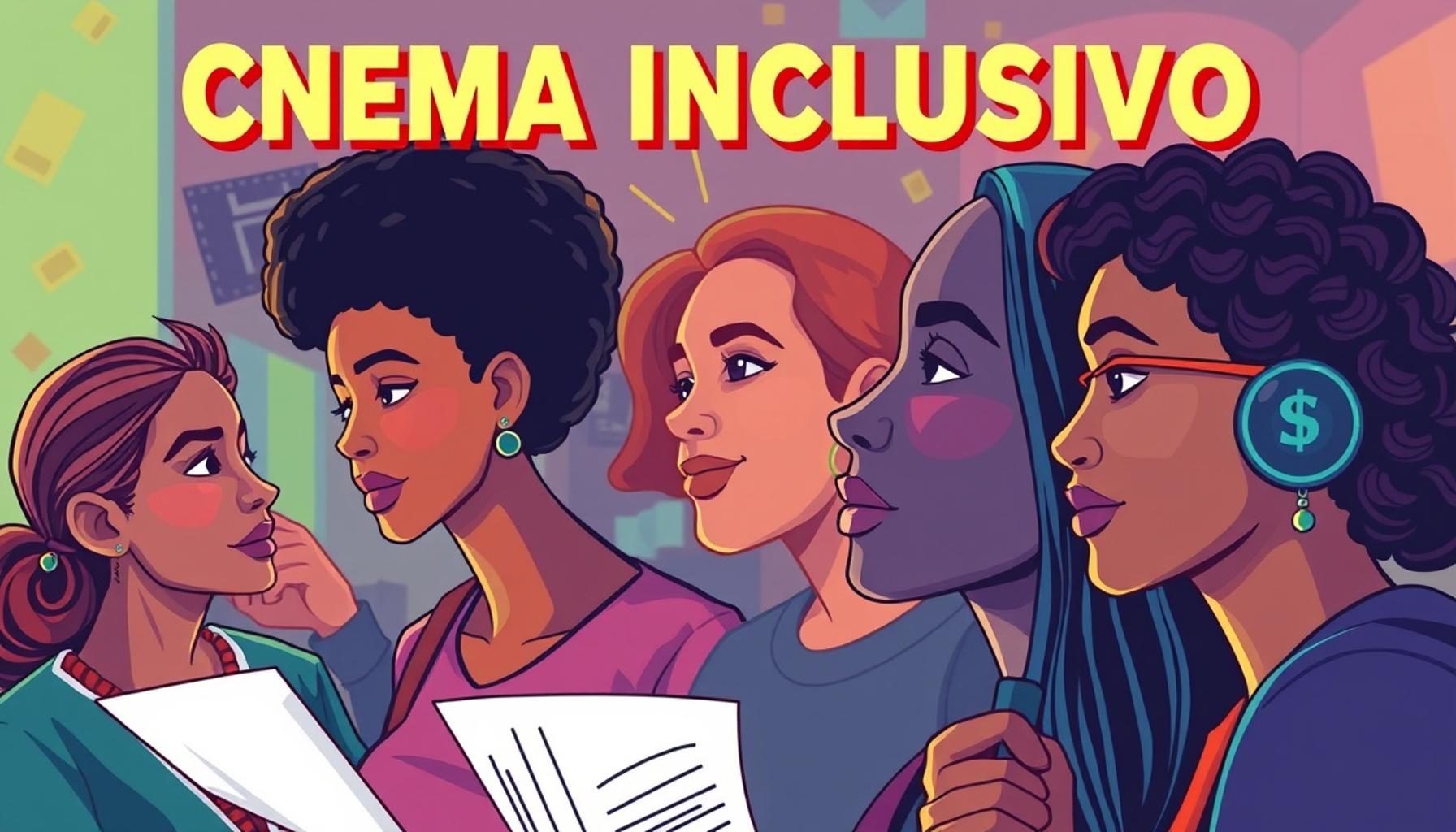
At its core, inclusive cinema serves as a mirror to society, capturing the diverse spectrum of human experiences through different lenses. This movement goes beyond merely featuring a range of characters from varied backgrounds; it actively seeks to share stories that tell the truths of their experiences, fostering greater empathy and understanding among viewers. As audiences increasingly gravitate towards films that reflect their lives and communities, the importance of this inclusivity becomes even more evident.
Cultural Representation
One key impact of inclusive cinema is its role in cultural representation. Films that authentically depict different cultures can break down stereotypes and promote nuanced understanding. For instance, movies like “Black Panther” and “Crazy Rich Asians” not only portray characters from underrepresented communities but do so with rich narratives that illuminate their cultures’ unique traditions, struggles, and triumphs. As a result, audiences are encouraged to appreciate the beauty and complexity of cultures different from their own, fostering respect and curiosity.
Varied Experiences
Diverse narratives also shed light on a multitude of experiences that many may not encounter in their daily lives. For example, films like “The Farewell,” which explores the immigrant experience and family dynamics, resonate deeply with audiences who may find parallels in their own lives. By telling stories through a variety of cultural, socioeconomic, or geographical contexts, filmmakers enable viewers to broaden their perspectives and foster a deeper sense of global awareness.
Relatable Characters
Having relatable characters is another essential aspect of inclusive cinema. When viewers see characters who share similar backgrounds, struggles, or aspirations, they are more likely to form a personal connection with the story. For instance, the success of series like “Pose” and movies such as “Moonlight” has showcased characters with diverse sexual orientations and gender identities. These narratives allow individuals to see themselves represented on screen, promoting a sense of belonging and affirmation.
The impact of inclusivity in film extends far beyond entertainment. It ignites vital conversations around identity, equity, and societal values. Audiences today expect stories that encompass the rich, multi-faceted nature of modern society. By embracing this shift in storytelling, filmmakers contribute to a broader understanding of humanity, making cinema a powerful tool for change. In essence, inclusive cinema not only entertains but also educates and empowers audiences to engage with the world in more meaningful ways.
DIVE DEEPER: Click here to learn more
The Significance of Diverse Storytelling
One of the most compelling aspects of inclusive cinema is the profound significance of diverse storytelling. This is not merely about incorporating a variety of faces on screen; it is about weaving narratives that resonate deeply with a wide range of audiences. By offering diverse perspectives, filmmakers can challenge dominant narratives and present a richer tapestry of human experience that reflects the complexities of society.
Expanding Worldviews
Diverse storytelling plays a crucial role in expanding worldviews and cultivating empathy. For example, films such as “Selma,” which chronicles the civil rights movement, immerse audiences in pivotal historical events through the eyes of those directly affected. By experiencing such stories, viewers gain a deeper understanding of the struggles faced by marginalized communities. This not only serves to educate audiences but also inspires them to reflect on their own experiences and biases.
Confronting Stereotypes
Inclusive cinema also works to confront and dismantle stereotypes that can persist in society. Stereotypical portrayals of certain communities can lead to misconceptions and reinforce harmful narratives. Through sincere and nuanced storytelling, films like “The Hate U Give” address issues of race, identity, and systemic injustice, allowing for a more accurate portrayal of the experiences of Black individuals. These films encourage critical thought and dialogue around sensitive subjects, ultimately fostering a more informed public.
Fostering Community Engagement
Moreover, inclusive cinema can encourage community engagement by showcasing stories that resonate with various demographics. When films reflect the unique experiences of specific communities, they often become catalysts for discussion and connection among viewers. Consider local screenings of films that portray life in different parts of the United States, such as “Akeelah and the Bee,” which highlights determination and resilience within an African American community. Such films can galvanize local audiences, prompting them to engage in conversations about their own lives and the diverse tapestries of their neighborhoods.
Importance of Inclusivity in Representation
A vital aspect of inclusive cinema is ensuring that the individuals involved in creating these narratives also reflect diverse backgrounds. It’s essential for creators—directors, writers, producers, and actors—to represent the stories authentically. A noticeable shift in the industry is the growing emphasis on hiring talent from varied backgrounds. This trend not only enriches storytelling but also establishes a sense of authenticity and credibility within the narratives being told.
In summary, the significance of diverse storytelling in inclusive cinema lies in its power to broaden perspectives, confront stereotypes, foster community engagement, and promote authentic representation. As we continue to evolve in our understanding of inclusivity, the call for more varied and meaningful stories in cinema becomes ever more urgent. Embracing these narratives is key to nurturing an audience that is informed, compassionate, and actively engaged in the world around them.
DIVE DEEPER: Click here to discover more
Transformative Power of Representation
The transformative power of representation in inclusive cinema cannot be overstated. Seeing oneself reflected in storytelling can lead to a profound sense of validation and belonging. For many underserved populations, especially young audiences, inclusive films like “Moana” or “Black Panther” provide empowering representations that break away from the historical norms of relegating characters from diverse backgrounds to the sidelines or one-dimensional roles. When individuals see characters who look like them taking on heroic journeys and facing challenges, it can inspire not only self-acceptance but also ambition to achieve their dreams.
Building a Sense of Identity
Inclusive cinema is also pivotal in helping people construct and affirm their own identities. Films such as “Love, Simon” or “The Farewell” showcase the coming-of-age stories of LGBTQ+ and Asian-American individuals respectively, and complex narratives around family dynamics, culture, and acceptance. They not only resonate with those who share similar experiences but also educate others by shining a light on the nuanced struggles of these communities. As such, audiences can discover layers of shared humanity, bridging gaps and fostering understanding among diverse groups.
Encouraging Diverse Voices in the Industry
Another area where inclusive cinema has made significant strides is in championing diverse voices within the industry itself. The rise of platforms like Netflix and Hulu has democratized film production, allowing independent filmmakers from various backgrounds to share their stories with wider audiences. Additionally, initiatives such as the Academy of Motion Picture Arts and Sciences’ push for diversity in Oscar nominees underscore the industry’s acknowledgment of the need for varied representation. As more underrepresented creators take the reins, they can create authentic stories that resonate with their communities and beyond.
Economic Impact of Diverse Storytelling
Moreover, inclusive cinema can have a tangible economic impact. Diverse films often perform exceptionally well at the box office. For instance, films like “Crazy Rich Asians” and “Get Out” not only garnered critical acclaim but also broke box office records, demonstrating that stories centered on diverse experiences can attract large audiences. This success challenges the misconceptions that only mainstream, homogeneous narratives can succeed financially, encouraging studios to invest more in diverse storytelling.
Empowering Social Change
Inclusive cinema also serves as a powerful tool for social change. When narratives authentically depict societal issues, they can mobilize audiences to take action. Documentaries like “13th,” which delves into the historical and systemic injustices faced by African Americans, not only educate viewers about the justice system but also inspire movements for reform. By giving a voice to vulnerable communities, inclusive cinema can spur discussions that lead to meaningful social change, prompting audiences to advocate for justice and equality.
In summary, the transformative power of representation in inclusive cinema influences individual identity, encourages diverse voices within the industry, promotes economic success through varied storytelling, and has the potential to empower social change. These aspects reinforce the urgent need for a broader spectrum of stories that are inclusive and representative of the rich diversity within society.
DIVE DEEPER: Click here to discover more
Conclusion
In conclusion, inclusive cinema plays a crucial role in shaping not only individual identities but also societal perceptions. By highlighting diverse stories and perspectives, films challenge stereotypes and encourage empathy among audiences. This transformative power of representation affirms the value of every individual’s narrative, fostering a sense of belonging in an increasingly fragmented world. For instance, movies like “Black Panther” and “Crazy Rich Asians” not only entertained audiences but also celebrated cultural identities, proving that stories centered around diverse characters can resonate universally.
As we have seen, inclusive films not only elevate underrepresented voices but also drive economic success, proving that diversity resonates with audiences at the box office. Films such as “Get Out” and “Moonlight” broke barriers both critically and commercially, demonstrating that investing in inclusive narratives can lead to remarkable financial returns. Moreover, they catalyze important conversations about social issues, such as race, gender, and sexuality, empowering viewers to engage in advocacy and reform. Therefore, it is essential for filmmakers, studios, and audiences alike to champion and support diverse storytelling, creating a wider platform for underrepresented groups.
Ultimately, inclusive cinema is not merely about providing representation; it is about creating a tapestry of human experience that reflects the world we live in. The continued push for more inclusive narratives will be essential in creating shared understanding and inspiring future generations. As seen with initiatives like the Inclusion Rider, which aims to ensure equitable representation in film projects, tangible actions are being taken to promote diversity. By valuing diversity in storytelling, we not only enrich our cinematic experiences but also contribute to a more compassionate and equitable world, where everyone has the opportunity to have their voice heard and their stories told.

Linda Carter
Linda Carter is a writer and film content specialist focused on movies, entertainment trends, cast insights, and viewing recommendations. With extensive experience helping readers discover new films and better understand the world of cinema, Linda shares her knowledge on our platform. Her goal is to empower readers with practical insights and engaging perspectives to explore movie releases, find worthwhile titles, and enjoy a richer entertainment experience.