The Rise of Interactive Films: How Audience Participation is Changing Cinema

Understanding Interactive Films
The cinematic world has experienced profound changes in recent years, transitioning from passive consumption to dynamic participation. As audiences embrace new forms of storytelling, the concept of interactive films emerges as a significant innovation that reflects this evolving landscape.
At the heart of interactive cinema lies the transformative feature of audience agency. This means viewers are no longer mere spectators; they play an integral part in the narrative. For instance, in films like Netflix’s “Bandersnatch,” viewers are given choices that lead to different plot directions, allowing them to steer the story’s progression. This involvement creates a personal investment in the characters’ journeys, as each decision can lead to wildly varying outcomes, enhancing the emotional stakes for the audience.
Another defining characteristic is the existence of multiple endings. Traditional storytelling typically culminates in a single conclusion. In contrast, interactive films can branch off into various potential endings based on the choices made by the audience. For example, a character might escape a perilous situation, or they could meet an untimely fate, depending on the path viewers select. This multi-faceted storytelling approach not only heightens suspense but also encourages viewers to re-watch the film to explore alternate scenarios, thereby increasing viewership hours and engagement.
The impact of this format extends beyond storytelling—it also cultivates a sense of enhanced engagement among viewers. When audiences participate actively in shaping the narrative, they form a stronger connection to the characters and their struggles. This level of interaction can lead to more profound reflections on personal values, choices, and consequences, mirroring real-life decision-making processes. Live events often incorporate interactive elements as well, where audiences might vote on outcomes or engage with the plot in real time, further enriching the experience.
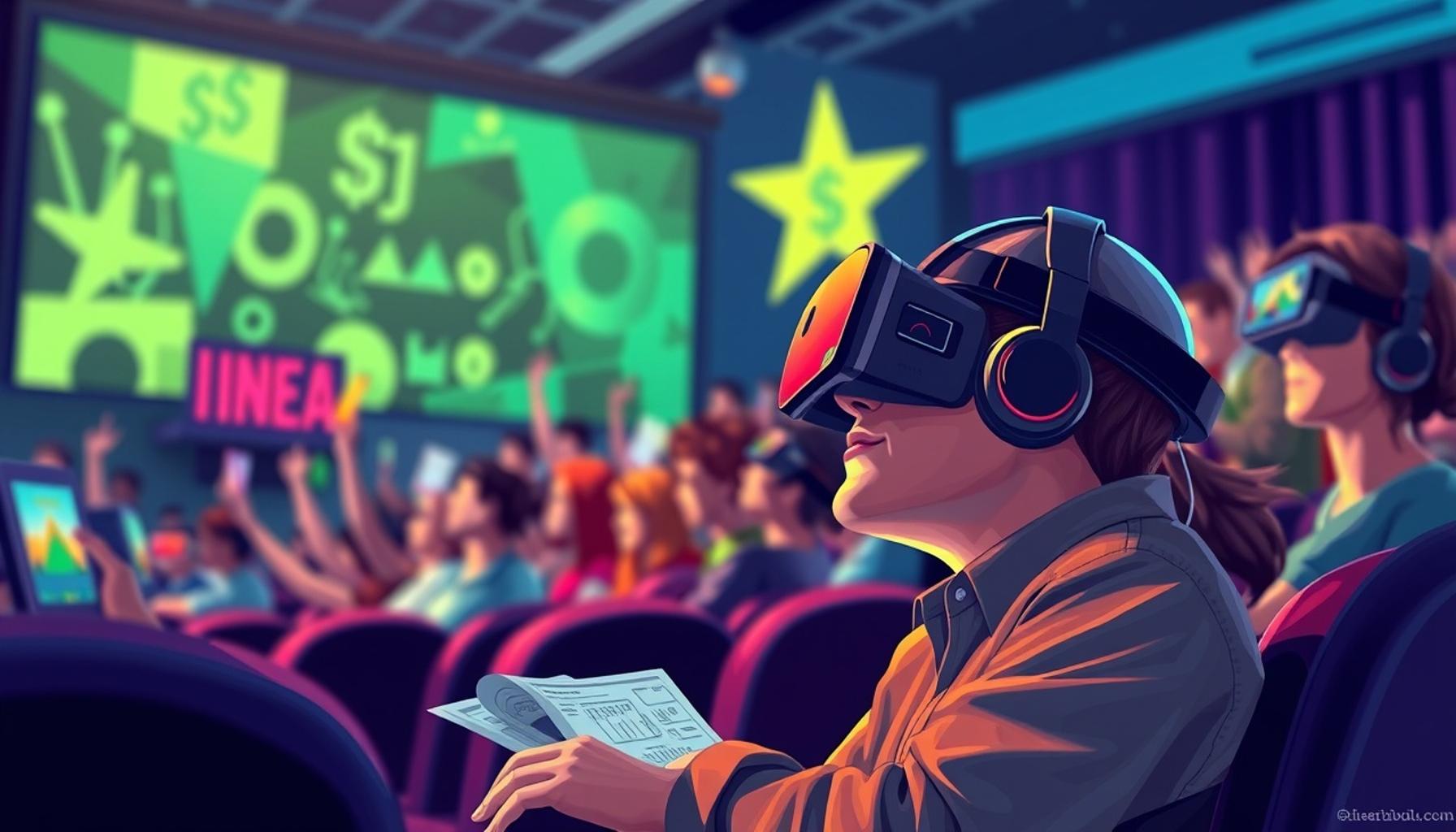
As technological advancements continue, the potential for interactive films appears limitless. Enhanced virtual reality (VR) and augmented reality (AR) technologies could usher in even more immersive storytelling experiences, allowing viewers to step into the film’s universe. The future of cinema is not just about watching but partaking in stories that reflect a more interactive and collaborative form of narrative enjoyment.
In summary, interactive films are crafting a new paradigm in the movie industry, fostering a space where storytelling is shared rather than one-sided. Through increased audience agency, multiple narratives, and heightened engagement, these films not only entertain but invite viewers to think critically about their choices, making the cinema experience richer and more rewarding.
DIVE DEEPER: Click here to uncover more insights
The Mechanics Behind Interactive Storytelling
The concept of interactive films fundamentally alters the cinematic experience, merging traditional storytelling with the essence of gaming. To appreciate how audience participation reshapes the landscape of cinema, it is crucial to understand the mechanics that drive these innovations. Interactive films are structured around choice-based narratives, where pivotal moments in the story invite viewers to make decisions that influence the trajectory of the plot. This signifies a departure from conventional films, where the audience passively watches as the story unfolds.
In interactive films, these choices are not trivial; they explore complex themes, creating varied pathways that reflect the consequences of each decision. For instance, in “Bandersnatch“, the viewer might choose how the protagonist, Stefan, responds to a stressful situation, leading to diverging storylines that raise questions about mental health, autonomy, and choice. The decisions viewers make directly impact how the story develops, making every viewing experience unique.
Moreover, the design of interactive films often employs a system of branching narratives. A single plot may split into numerous paths, offering viewers different experiences that may include:
- Character Outcomes: Depending on audience choices, characters can survive, thrive, or face dire consequences.
- Story Arcs: Different decisions can open up entirely different story arcs, creating a wealth of narrative possibilities.
- Theme Exploration: Choices might illuminate different themes, allowing viewers to engage with a broader spectrum of philosophical or moral questions.
This framework not only enhances the viewer’s experience but also creates a more engaging environment where individuals can explore the narrative deeply. The experience becomes personal; viewers may find themselves reflecting on their choices long after the film ends. This reflection fosters a deeper understanding of the characters’ dilemmas, as audiences become active participants in their journeys rather than passive observers.
The technological aspect of interactive films further compounds their allure. With platforms like Netflix and innovative filmmakers leading the charge, interactive storytelling is becoming increasingly accessible. Smart devices, tablets, and even VR headsets offer diverse ways to engage with interactive narratives, allowing filmmakers a vast playground for creativity. As viewers navigate their choices, the crux of narrative control is placed firmly in their hands, ushering in an era where cinema becomes not just a form of entertainment, but also an interactive art form that challenges and engages.
In essence, the mechanics of interactive storytelling revolutionize not only how stories are told but also how they are experienced. The unique blend of choice, narrative depth, and technological advancement promises a bright future for interactive films, setting the stage for a transformative journey ahead for both filmmakers and audiences alike.
DISCOVER MORE: Click here to dive deeper
The Impact on Viewership and Community Engagement
The rise of interactive films has not only transformed storytelling but also significantly influenced how viewers engage with content and with each other. As audiences make choices that steer the narrative, a sense of shared experience emerges, inviting viewers to discuss the implications and outcomes of their decisions. This creates vibrant communities, both online and offline, where fans dissect plots and share their unique experiences.
Social media platforms are buzzing with conversations around interactive films, allowing fans to share their paths and speculate on different narrative possibilities. For instance, after the release of “Bandersnatch“, social media platforms saw a surge in discussions where viewers compared their choices, showcasing how varied experiences can lead to rich dialogues. Hashtags like #BandersnatchChoices became trending topics, enabling users to join a collective exploration of the film’s moral dilemmas and branching paths.
This community engagement is an integral part of the interactive film experience, emphasizing the social nature of storytelling. Different perspectives from diverse viewers enrich the narrative world, creating a mosaic of opinions and interpretations that further enhance collective appreciation for the film’s intricacies. Audiences are not merely consuming the film; they are participating in a community-led discussion that deepens their understanding of the narrative themes.
In addition to fostering community interaction, interactive films also reshape viewer expectations and experiences. The ability to dictate the story’s direction means that audiences are more invested in the film as they take ownership of the choices made throughout the viewing. This shift is particularly significant among younger generations, who have grown up with interactive video games and digital platforms. They are accustomed to being active participants, craving engagement that traditional passive viewing cannot offer.
This evolution in viewer expectations is reflected in how filmmakers approach their projects. Filmmakers now must consider not only plot development but also the ways in which decisions resonate with audiences. For example, projects like “The Invisible Hours” invite viewers into a multi-narrative world where they can explore different character perspectives at their own pace, reinforcing the idea that viewers expect to be integral to the storytelling process.
The technological advancements supporting interactive films also contribute to broader consumer engagement patterns. As streaming services continue to innovate, the interactions will likely expand beyond mere story choices to include multiple forms of engagement. Future interactive experiences might integrate real-time polling for decisions during live broadcasts, directly allowing audiences to influence the plot as it unfolds. This level of interactivity can lead to community-driven storytelling, where audience input significantly shapes the narrative.
Ultimately, the rise of interactive films signals a fundamental shift in the relationship between filmmakers and their audiences. As participation becomes a hallmark of modern storytelling, the lines blur between creator and consumer, fostering an environment that prioritizes collaboration, communication, and community engagement. This transformation not only changes how stories are told but also how they are shared and experienced in an increasingly interconnected world.
DISCOVER MORE: Click here to dive deeper
Conclusion
The emergence of interactive films marks a transformative chapter in the history of cinema, redefining not only how stories are told but also how audiences engage with them. With an increasing emphasis on active participation, viewers are no longer passive consumers but rather collaborative storytellers who shape narrative directions through their unique choices. This shift has led to the formation of dynamic communities where fans come together to discuss differing paths, share insights, and amplify their overall viewing experience.
As illustrated by popular examples like “Bandersnatch” and “The Invisible Hours“, interactive films enable a deeper connection to the material, allowing audiences to explore character motivations and moral dilemmas from multiple angles. This engagement fosters a richer dialogue and reflection on the content, which has become particularly appealing for younger generations raised in an era of gaming and immersive experiences.
Looking ahead, the future of interactive cinema promises even more innovative storytelling possibilities. As technology evolves and streaming platforms adapt, we can anticipate further integration of real-time interaction and audience-driven narratives that blur the lines between viewer and creator. Ultimately, the rise of interactive films not only reshapes cinematic experiences but also underscores the collective power of audiences in the storytelling process, highlighting the importance of collaboration, creativity, and community in today’s entertainment landscape.

Linda Carter
Linda Carter is a writer and film content specialist focused on movies, entertainment trends, cast insights, and viewing recommendations. With extensive experience helping readers discover new films and better understand the world of cinema, Linda shares her knowledge on our platform. Her goal is to empower readers with practical insights and engaging perspectives to explore movie releases, find worthwhile titles, and enjoy a richer entertainment experience.