Menu

How to Recognize and Treat Common Allergies in Pets

Learn to identify and treat common allergies in pets, including environmental, food, and flea allergies. Recognizing symptoms early enhances your pet's quality of life. Effective management strategies like dietary adjustments, medication, and environmental control can alleviate discomfort and improve overall health, ensuring happier, healthier companions.

Preventive Care: Vaccination and Regular Check-ups for Your Pet’s Health

As a responsible pet owner, prioritizing preventive care, including vaccinations and regular check-ups, is essential for your pet's health. These measures help prevent disease, ensure early detection of health issues, and promote overall well-being, leading to a longer, happier life for your furry companions.

How to Identify Signs of Stress and Anxiety in Pets and Promote Mental Health

This article emphasizes the importance of recognizing signs of stress and anxiety in pets to promote their mental health. It outlines common behavioral indicators and effective strategies, such as creating a secure environment, maintaining routines, and engaging in regular exercise. Proactive measures can significantly enhance pets' emotional well-being and strengthen their bond with owners.

The Importance of Socialization for Pets’ Emotional Health

Socialization is vital for pets' emotional health, reducing anxiety, encouraging positive behavior, and boosting confidence. Engaging pets in diverse environments fosters communication, trust, and adaptability, leading to a well-adjusted, happier companion. Responsible pet ownership prioritizes socialization, ensuring pets develop emotional resilience and strong bonds with their owners.

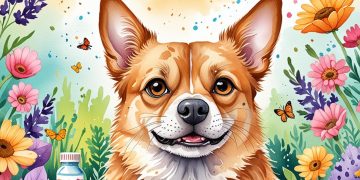
Relaxation Practices and Natural Calming Remedies for Nervous Pets

This article explores various relaxation practices and natural calming remedies for nervous pets. It highlights techniques like aromatherapy, massage, and creating safe spaces to alleviate anxiety. By incorporating mindfulness and environmental modifications, pet owners can enhance their furry companions' emotional well-being and foster deeper bonds.

Proper Hydration: The Importance of Water in Pet Health

Water is crucial for pet health, supporting digestion, regulating temperature, and promoting kidney function. Understanding each pet's unique hydration needs is vital, as factors like age, size, and activity level vary. Prioritizing proper hydration enhances your pet's well-being, prevents health issues, and strengthens the bond between you and your furry friend.

Prevention of Common Diseases: Tips to Protect Your Pet in Different Seasons

Pet owners can protect their furry friends from seasonal health challenges by understanding the unique risks each season presents. Key preventive measures include managing allergies in spring, preventing heat-related issues in summer, safeguarding against wildlife in fall, and combating cold weather risks in winter. Regular vet visits and tailored care are essential for ensuring your pet's well-being year-round.

Exercises and Physical Activities: Keeping Your Pet Healthy and Happy

Regular exercise and physical activities are essential for keeping pets healthy and happy. Engaging routines enhance physical well-being, offer mental stimulation, and strengthen the bond between pets and owners. Activities tailored to each pet’s needs promote happiness, reduce boredom, and support overall quality of life through consistent movement and socialization.

The Importance of Dental Care in Pet Health

Maintaining dental care is crucial for pet health, preventing serious issues like infections and tooth loss. Regular check-ups, at-home brushing, and dental diets enhance overall well-being. Prioritizing oral hygiene not only ensures comfort but also extends your pet's lifespan, promoting a happier and healthier life together.

Identification and Treatment of Allergies in Pets

Allergies in pets can lead to discomfort and health issues for both pets and their owners. Recognizing symptoms like itching, ear infections, and digestive problems is crucial for early intervention. Effective identification and treatment options, including medications and dietary changes, can significantly enhance your pet's quality of life.