How to Create a Safe and Healthy Environment for Senior Pets
Creating Comfort for Our Aging Companions
As pets gracefully age, they often exhibit a myriad of changes that may impact their way of living. Ensuring a safe and healthy environment for senior pets is not just a matter of convenience; it directly influences their overall well-being. Aging animals, like humans, confront declines in mobility, reduced vision, and chronic health conditions such as arthritis or kidney disease. By modifying their living space and nurturing their needs, you can greatly enhance their comfort and happiness.
Here are some essential considerations to keep in mind:
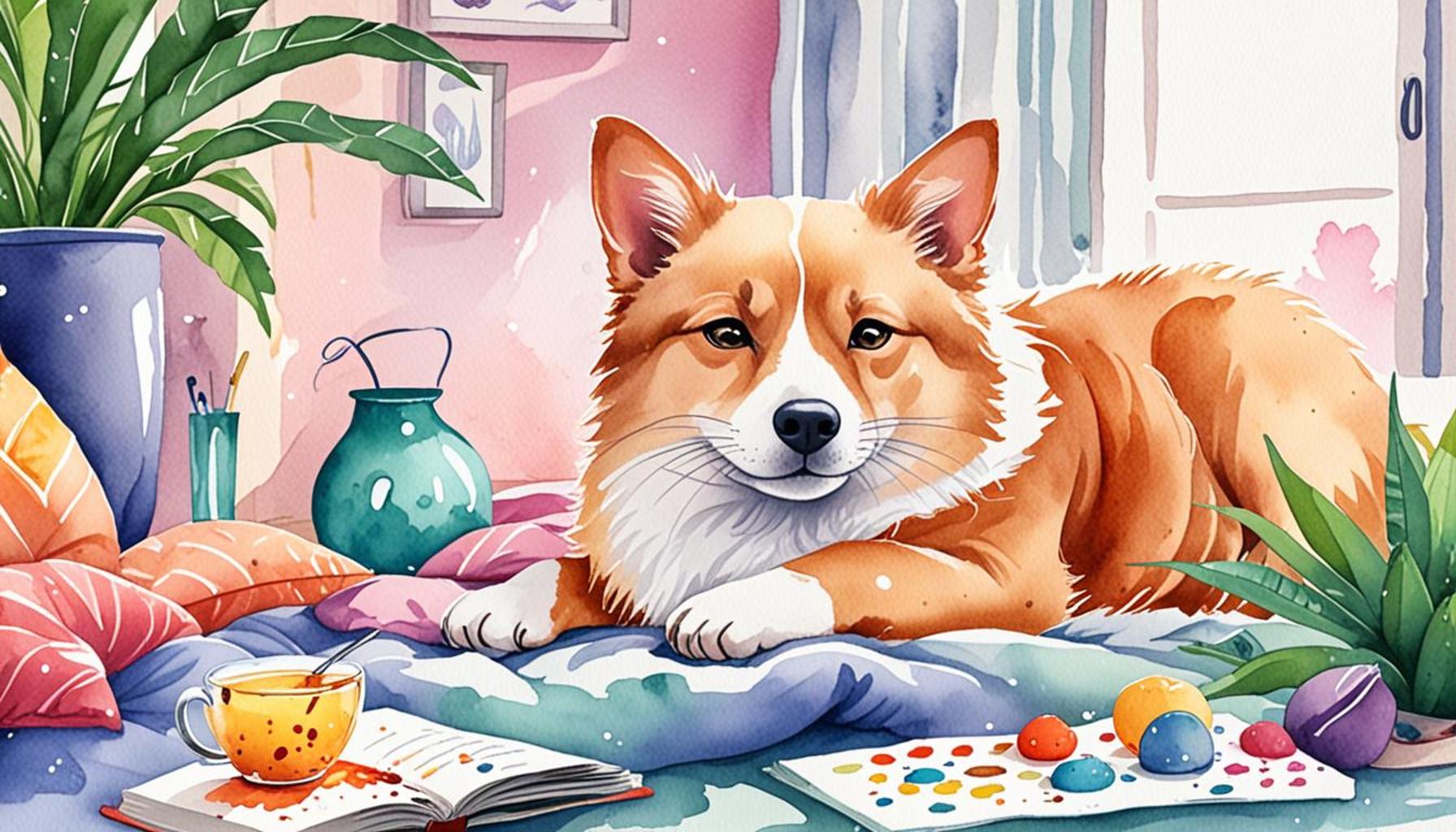
- Comfortable Bedding: Providing a soft, supportive bed made from memory foam or orthopedic materials can significantly ease pressure on achy joints. Look for beds that are raised off the ground for better insulation and warmth, as older pets often feel more sensitive to temperature changes.
- Safe Spaces: It’s crucial to designate a quiet area where your senior pet can retreat, creating a sanctuary that feels secure. This space should be away from the hustle and bustle of everyday life, possibly equipped with items like calming blankets or toys that bring them joy.
- Non-Slip Flooring: Slips and falls can pose a severe risk to aging pets, especially those with mobility issues. Using rugs or mats with grip on hardwood or tile floors can provide extra traction. Even non-slip socks or booties designed for pets can help, ensuring that your furry friend maintains their agility.
Additionally, regular veterinary check-ups are vital. They help monitor health issues like dental disease or heart conditions that may affect senior pets. Studies indicate that pets experiencing dental pain often exhibit changes in their demeanor and eating habits, so timely interventions can be life-changing. A balanced diet formulated for senior pets, alongside tailored exercise regimens, can help maintain their muscle tone and prevent obesity, contributing to longer, healthier lives.
Adapting your home involves more than just physical alterations; it’s about fostering a nurturing atmosphere filled with love and attention. Simple practices, such as gentle grooming sessions, can improve their mood while strengthening your bond. Creating routines that provide a sense of predictability can also be comforting for your aging companions.
In conclusion, by being proactive in accommodating the needs of your senior pet through thoughtful changes in their environment, you will not only enhance their comfort but also enrich their lives. This is not merely about sustaining existence; it’s about ensuring that each day is filled with joy and warmth. Embrace these strategies, and you may find that your aging companion thrives in new and delightful ways.
LEARN MORE: Click here to discover how to involve kids in the adoption journey
Fostering a Supportive Atmosphere for Aging Pets
Creating a safe and healthy environment for senior pets begins with an understanding of their unique challenges. As pets grow older, their needs change, often requiring adjustments to their surroundings to promote comfort and safety. Here are several critical aspects to consider in ensuring that your senior pet can thrive:
- Proper Nutrition: A well-balanced diet tailored specifically for senior pets plays a vital role in their health. These special formulations are designed to meet the nutritional needs of aging animals, often incorporating higher fiber content and essential nutrients to support digestion and maintain a healthy weight. Consulting with a veterinarian to determine the best diet for your pet is a crucial step in this process.
- Hydration: Older pets may not drink water as frequently, leading to dehydration and urinary issues. Ensure fresh water is always available, and consider using a pet water fountain, which may encourage your pet to drink more. Keeping an eye on their water intake can help you spot potential health issues before they escalate.
- Accessible Spaces: As mobility decreases, it’s essential to arrange your home in a way that makes it easy for your pet to navigate. Clear pathways by removing clutter, and ensure that their food and water bowls are easily reachable. Utilizing ramps or pet stairs can assist senior pets in accessing their favorite spots without struggling.
- Regular Exercise: Though older pets may tire more easily, gentle exercise remains vital for maintaining their physical health. Short, regular walks or games of fetch can help keep their body active, preserving muscle tone and preventing obesity. Tailoring the exercise regimen to each pet’s ability and comfort level will promote overall fitness and wellbeing.
Environmental factors also play a significant role in the quality of life for senior pets. Enhancements to their living space can significantly reduce anxiety and enhance their safety:
- Temperature Control: Senior pets are more sensitive to temperature fluctuations. Ensure that their living environment is neither too hot nor too cold by adjusting heating and cooling systems as necessary. Providing access to cozy blankets or beds in warm areas can help them feel secure and comfortable.
- Lighting: Diminished vision can make it difficult for senior pets to navigate their surroundings. Adequate lighting in living spaces, especially in areas where they frequent, allows them to move safely and independently.
- Routine Health Monitoring: Keeping an eye on any changes in behavior or physical condition is crucial. Regular veterinary check-ups ensure early detection of age-related health issues, meaning problems can be addressed before they lead to significant discomfort or suffering.
Creating a wholesome environment for your aging companion involves ongoing efforts to meet their evolving needs. With the right adjustments and attentiveness, you can cultivate a harmonious space that supports their health and happiness, enabling them to enjoy their golden years to the fullest.
| Category | Advantages |
|---|---|
| Comfortable Living Space | Providing a comfortable and accessible resting area prevents stress and allows senior pets to relax and rejuvenate. |
| Regular Vet Check-ups | Frequent health assessments catch potential issues early, ensuring prompt treatment and better overall health for senior pets. |
| Nutritious Diet | A balanced diet tailored to their needs helps maintain a healthy weight, boosts immunity, and enhances energy levels. |
| Safe Environment | Eliminating hazards and providing the right amenities ensure senior pets can navigate safely and avoid injuries. |
Creating a safe and healthy environment for senior pets not only involves their physical surroundings but also their emotional well-being. In addition to comfortable living spaces, attention to dietary needs plays a crucial role. Regular vet visits help pet owners stay ahead of potential health problems, allowing for timely interventions that significantly improve quality of life. Moreover, adapting the home to minimize risks, such as removing sharp objects and ensuring easy access to food and water, can dramatically affect a senior pet’s happiness and overall health. The combination of a loving atmosphere, proper nutrition, and attentive care results in thriving senior pets and peace of mind for their owners. To learn more about enhancing your senior pet’s life quality, consider researching expert advice on meal plans and environmental modifications that cater specifically to older animals.
DISCOVER MORE: Click here to learn how nutrition impacts your pet’s behavior
Enhancing the Living Experience for Senior Pets
While proper nutrition, accessibility, and health monitoring are essential components of a safe and healthy environment for senior pets, the enrichment of their living experience should not be overlooked. Engaging their minds and keeping them socially interactive are key elements in enhancing their overall well-being. Here are additional strategies to consider:
- Comfortable Sleeping Areas: As pets age, their sleep quality often diminishes. Providing an orthopedic bed can significantly improve their comfort level. These beds are designed to relieve pressure on aching joints and improve overall sleep quality. Selecting a quiet, low-traffic area of the home for napping can also help your pet feel secure and undisturbed.
- Cognitive Stimulation: Just like humans, senior pets benefit from mental exercise. Introducing interactive toys that challenge their minds can help keep their cognitive functions sharp. Puzzle games that dispense treats or toys that require problem-solving skills can provide both fun and a sense of accomplishment for your aging animal. Consider rotating toys regularly to maintain their interest.
- Social Interaction: Engaging your senior pet with regular social interaction can alleviate feelings of loneliness or depression. Whether through playdates with other pets, quiet cuddle sessions, or simple companionship during daily tasks, fostering these connections will aid emotional health. Programs such as pet therapy can also provide beneficial social experiences, enhancing their emotional well-being.
- Adapting Grooming Routines: Regular grooming can be especially important for senior pets that may struggle with mobility. Ensuring they remain clean and comfortable can also help in detecting any skin issues or lumps early on. Using gentle grooming tools and being attentive during these sessions can help make grooming a soothing experience for them.
Another crucial aspect of creating a safe environment involves understanding the specific health needs of senior pets:
- Mental Health Awareness: Just like people, aging pets can experience anxiety and depression. Being aware of changes in their behavior, such as withdrawal or clinginess, provides important insights into their emotional health. Setting up a calm environment, perhaps through the use of calming music or pheromone diffusers, can mitigate anxiety and foster relaxation.
- Home Safety Modifications: Ensuring your home is pet-friendly goes beyond just accessibility. Installing non-slip mats can prevent accidents on slippery floors, and having gates to restrict access to stairways or hazardous areas can avert potential dangers. Additionally, securing heavy objects and cleaning supplies reduces the risk of accidents, so always keep your senior pet’s safety in the forefront.
As the needs of senior pets evolve, adapting their environment accordingly is vital. Keeping a close eye on their changing requirements will aid in proactively addressing their health and safety needs while enhancing their quality of life. With thoughtful modifications and ongoing attention, you can create an inviting atmosphere that celebrates your beloved pet’s golden years.
DIVE DEEPER: Click here to learn more
Conclusion: Prioritizing the Well-Being of Senior Pets
Creating a safe and healthy environment for senior pets is an ongoing commitment that significantly enhances their quality of life. As they age, adapting to their needs becomes crucial in supporting their physical and emotional well-being. By focusing on elements such as accessibility, comfort, and mental stimulation, pet owners can ensure a happier and healthier home for their aging companions.
Additionally, prioritizing social interaction and mental health awareness cannot be overlooked, as these aspects play a fundamental role in combating loneliness and anxiety. Regular check-ins on their behavior, combined with implementing safety modifications around the home, help to mitigate potential hazards and encourage a secure environment.
As each pet is unique, their requirements may vary; therefore, staying informed about their specific health needs through regular veterinary visits remains vital. This holistic approach not only prolongs their lifespan but also enriches the lives of both pets and their owners during those precious golden years.
In conclusion, empowering your senior pet to thrive in their environment involves a mixture of love, attentiveness, and meaningful adjustments. By embracing these practices, you pave the way for joyful moments and treasured memories with your beloved companion, ensuring that their later years are filled with comfort, happiness, and care.