Innovation in Streaming Services: How Customer Preferences Are Shaping the Future of Entertainment
Transformation of Entertainment Consumption
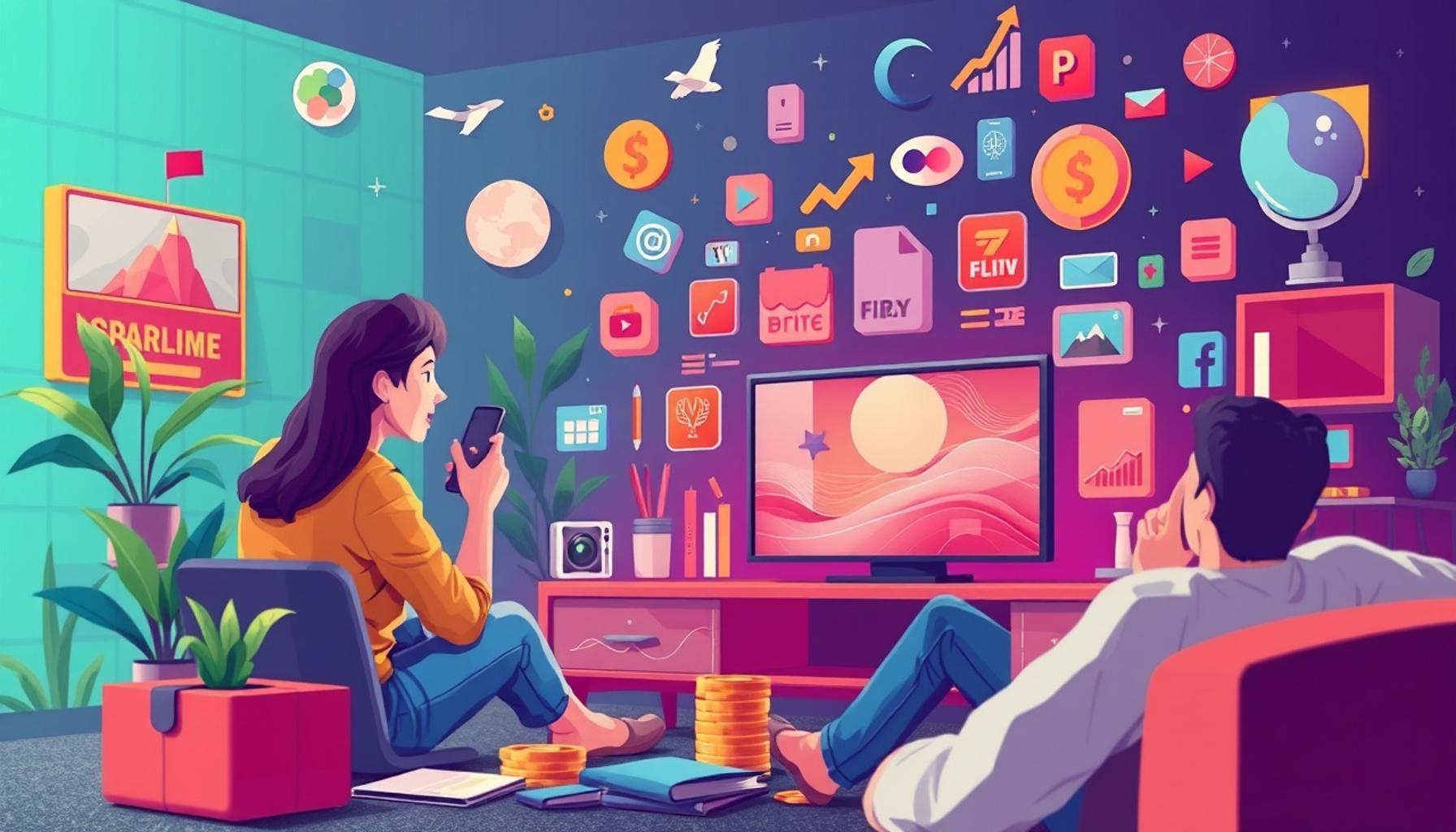
Streaming services have fundamentally reshaped our entertainment landscape. Gone are the days when viewers were tethered to fixed broadcasting schedules or rental store limitations. Today, services like Netflix, Hulu, and Disney+ offer on-demand access to an extensive library of content, enabling audiences to enjoy their favorite shows and movies anytime and anywhere. With such significant shifts in how we consume media, it’s vital to explore how customer preferences are driving these advancements.
Personalization
One of the most remarkable trends in streaming services is personalization. By analyzing viewing habits, preferences, and past selections, platforms are able to provide customized recommendations. For example, if a viewer frequently watches crime dramas, the platform might suggest similar content that matches that genre. Services like Spotify take it a step further by curating personalized playlists based on listening patterns, such as “Discover Weekly,” which introduces users to new music tailored to their tastes.
Mobile Access
The integration of mobile access has revolutionized how audiences consume media. With the prevalence of smartphones and tablets, viewers can stream content while commuting, traveling, or waiting in line. This shift means that entertainment is no longer confined to living rooms; it’s now woven into the fabric of everyday life. Popular apps like TikTok capitalize on this trend by delivering quick, engaging content for viewers to enjoy during short breaks.
Diverse Content
As audiences become more diverse, the demand for diverse content continues to grow. Streaming services are responding by commissioning shows and films that explore various cultural narratives and perspectives. This can be seen in platforms like Netflix, which invested heavily in foreign-language films and series, leading to critical successes like “Parasite” and “Money Heist.” Producing a breadth of genres not only caters to different tastes but also broadens the understanding of global cultures.
Interactive Features
To enhance viewer engagement, streaming services are beginning to introduce interactive features. For instance, platforms like Netflix have experimented with interactive storytelling, allowing viewers to choose the direction of the plot in shows like “Black Mirror: Bandersnatch.” Such features create a unique viewing experience, encouraging audiences to engage more deeply with content and fostering a sense of community through discussions about choices made during the show.
The convergence of these trends indicates a notable shift not only in technology but also in cultural consumption. As streaming services vie for audience loyalty in an increasingly competitive market, understanding evolving customer expectations will be essential. Moving forward, companies that prioritize innovative solutions driven by user preferences are more likely to succeed in delivering impactful and fulfilling entertainment experiences.
DISCOVER MORE: Click here to learn about the impact of streaming on film
Shifting Paradigms in Streaming Technology
As streaming services evolve, they are not only responding to customer preferences but also reshaping the fundamental technologies that support them. This transformation is rooted in the growing expectation of accessibility, quality, and convenience that users demand from their entertainment experiences. Below, we explore several key innovations that are reshaping streaming services and how they are increasingly aligned with viewer desires.
Enhanced Viewing Quality
The demand for enhanced viewing quality has skyrocketed as consumers seek a more immersive experience. High-definition (HD), 4K Ultra HD, and even 8K streaming options are becoming increasingly standard. For instance, platforms like Amazon Prime Video and Disney+ offer content in stunning 4K resolution, allowing viewers to enjoy breathtaking visuals and richer colors that closely mirror cinematic experiences. Additionally, advancements in streaming technology, such as HDR (High Dynamic Range), contribute to sharper contrasts and more vibrant colors, further elevating the viewing experience.
Flexible Subscription Models
Another significant innovation is the rise of flexible subscription models. As competition heats up among streaming services, companies are beginning to offer various pricing tiers to cater to different customer needs. For example, platforms like Hulu allow users to select ad-supported plans at a lower cost, while also providing ad-free options for a premium fee. This flexibility empowers viewers to make choices based on their budget and preferences, enhancing user satisfaction and loyalty.
Social Integration
With the increasing popularity of social integration, streaming platforms are recognizing the importance of community in entertainment consumption. Features like watch parties, which allow friends and family to watch shows together virtually while sharing reactions and comments in real-time, are gaining traction. Platforms such as Amazon Prime Video and Hulu have successfully implemented such features to foster connection among viewers, making the shared experience of watching content more enjoyable. This addition not only appeals to the social nature of users but also encourages more substantial platform engagement.
Content Creation and User-Generated Content
The rise of user-generated content (UGC) on platforms like TikTok and YouTube has prompted streaming services to rethink their content strategies. Audiences are increasingly drawn to authentic and relatable narratives, driving platforms to collaborate with independent creators and feature UGC alongside traditional content. This shift not only diversifies the content but also allows viewers to have a voice in the entertainment they wish to see. Netflix’s partnerships with emerging filmmakers and creators illustrate how streaming platforms are embracing creativity in all its forms.
In summary, the rapid innovations within streaming services mirror the evolving preferences of viewers today. By prioritizing high-quality content, flexible pricing, social interactions, and user-generated narratives, streaming platforms are poised to shape a future in which entertainment is more personalized and engaging than ever before. These trends not only highlight the priorities of today’s consumers but also establish a roadmap for what to expect in the forthcoming digital landscape of entertainment.
DISCOVER MORE: Click here to dive deeper
Personalization and AI-Driven Recommendations
The landscape of streaming services is being profoundly influenced by the desire for personalization. As consumers are inundated with vast libraries of content, the ability to navigate these options effectively has become increasingly important. Artificial intelligence (AI) and machine learning are at the forefront of this innovation, empowering platforms to offer tailored recommendations based on user behavior. Services like Netflix and Spotify leverage algorithms that analyze viewing and listening habits to create personalized content suggestions. This results in a more engaging experience as users are more likely to discover new shows and music that resonate with their tastes.
Real-Time Analytics and Feedback Loops
Streaming platforms are also utilizing real-time analytics to gauge viewer preferences and adapt offerings accordingly. By collecting data on which shows are trending, which genres are gaining popularity, and even viewer engagement metrics, streaming services can make informed decisions regarding content acquisition and production. For example, platforms like Hulu use viewer data to recommend content based not only on individual preferences but also on what is resonating with broader audiences. This immediate feedback loop allows for dynamic content strategies that can pivot to meet shifting customer demands.
Diverse Content Offerings and Global Influence
As customer preferences grow increasingly diverse, the demand for international content is expanding. Streaming services are tapping into a global market, offering a rich tapestry of films and shows from various cultures, further catering to diverse audiences. Netflix has led the charge with international hits like “Squid Game” from South Korea and “Lupin” from France, showcasing that foreign language content can captivate American audiences. This not only broadens the viewing options available but also fosters a more inclusive entertainment landscape that reflects the global community.
Interactive Content and Gaming Integration
Another exciting frontier is the shift toward interactive content and gaming integration. platforms like Netflix have experimented with interactive storytelling through titles like “Bandersnatch,” allowing viewers to make choices that influence the narrative direction. Additionally, merging gaming features with traditional streaming platforms signals a departure from passive viewing; it engages users in a way that transforms their experience into something participatory. This fusion taps into the interactive tendencies of modern audiences, particularly younger viewers who expect more than just traditional media consumption.
Accessibility Features for Inclusion
Alongside these innovations, there is a growing emphasis on accessibility features to ensure that streaming services cater to a wider audience. Enhanced subtitle options, audio descriptions, and customizable interfaces enable people with disabilities to enjoy entertainment content fully. Platforms like Apple TV+ and YouTube are incorporating enhanced accessibility settings to create inclusive environments for all viewers. By prioritizing accessibility, streaming services are not just expanding their consumer base; they are fostering a culture that values the enjoyment of entertainment for everyone.
These innovations highlight how the future of streaming services is undeniably anchored in consumer preferences. By enhancing personalization, leveraging analytics, embracing diversity, integrating interactivity, and prioritizing accessibility, streaming platforms are paving the way for a rich, inclusive, and engaging entertainment landscape that meets the demands of a dynamic audience.
DIVE DEEPER: Click here to learn more about the streaming revolution
Conclusion
In conclusion, the rapidly evolving world of streaming services is a clear reflection of how customer preferences are steering the course of entertainment. The emphasis on personalization through AI-driven recommendations has fundamentally changed how viewers interact with content. With tailored suggestions, users find themselves immersed in a custom-made viewing experience that aligns with their unique tastes and interests.
The role of real-time analytics cannot be overstated, as it allows platforms to adapt to viewer trends almost instantaneously. This responsiveness makes it possible for streaming services to cater to ever-changing audience demands, ensuring that they are consistently offering relevant content. Furthermore, the push for diverse global offerings enriches the viewing experience by introducing unique narratives and perspectives, fostering a more inclusive atmosphere in entertainment.
As we look ahead, the integration of interactive content and gaming elements signifies a departure from traditional consumption, inviting viewers to engage in dynamic storytelling. These innovations are complemented by a commitment to accessibility, ensuring that all audiences can enjoy content seamlessly. Together, these elements illustrate a future where streaming services not only entertain but also resonate with the diverse fabric of society.
Ultimately, as the streaming industry continues to innovate in response to consumer feedback, we can anticipate an exciting era for entertainment—one that is adaptable, engaging, and inclusive for everyone. Staying attuned to these trends will be essential for consumers and industry players alike, ensuring they remain at the forefront of this vibrant landscape.