
The Impact of Augmented and Virtual Reality on Cinema and the Viewer Experience
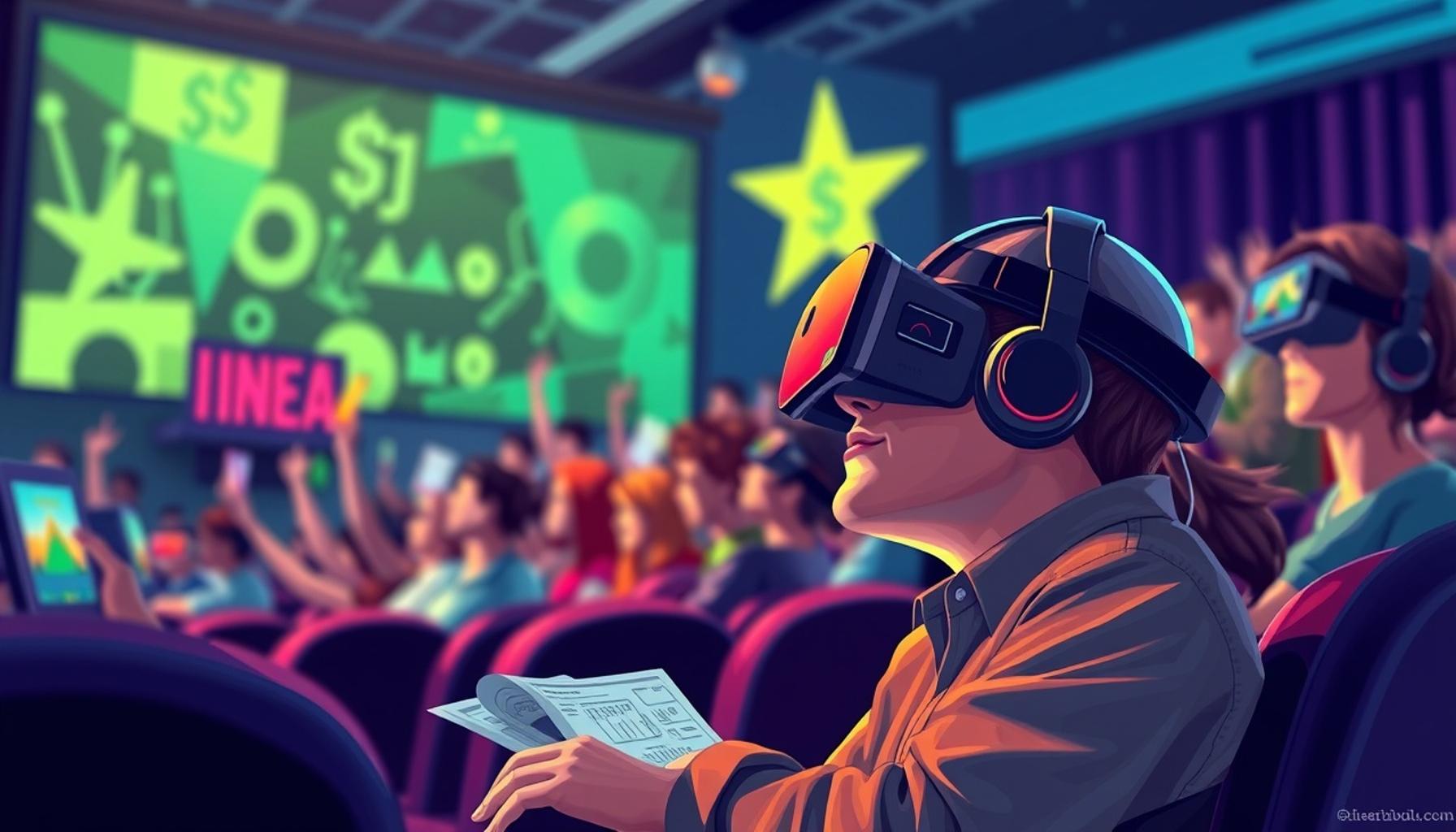
Revolutionizing the Film Experience
In recent years, augmented reality (AR) and virtual reality (VR) have emerged as groundbreaking technologies reshaping various industries, with cinema being at the forefront of this transformation. These immersive technologies are not just changing how films are made, but also revolutionizing the way audiences experience storytelling. By merging the digital and real worlds, filmmakers are exploring innovative ways to engage their viewers.
Immersive Experiences
One of the most significant advantages of AR and VR in cinema is the ability to create immersive experiences. Imagine watching a fantasy film and finding yourself walking through a magical forest alongside the characters. With VR headsets, audiences can experience panoramic views and 3D sounds that make them feel present in the movie environment. This immersion allows viewers to connect emotionally with the story more deeply than traditional cinema allows. For example, “The Lion King” experience on VR platforms lets fans walk through the Pride Lands, enhancing their emotional attachment to the characters and their journeys.
Interactivity
Another groundbreaking aspect is interactivity. Unlike conventional films where the audience has a passive role, AR and VR create opportunities for viewers to influence story outcomes. In some interactive films, a viewer’s choices can alter character paths, leading them down completely different storylines. An example of this is the Netflix interactive film “Black Mirror: Bandersnatch,” where viewers select options for the main character, allowing for multiple endings. Such formats empower viewers, making each experience unique and personal.
Enhanced Storytelling
Furthermore, AR and VR enable enhanced storytelling. Filmmakers can incorporate layers of information and content that expand beyond the screen, providing contextual insights that traditional films cannot offer. For instance, in a documentary about climate change, viewers could use AR to visualize data overlaid on their surroundings, deepening their understanding of the issues being discussed. This not only makes the narrative richer but also encourages a more informed and engaged audience.
Conclusion
Through these innovations, cinema is transforming from a passive viewing experience into a dynamic and interactive journey. As these technologies continue to evolve, they are expected to further enrich the storytelling capabilities of filmmakers and enhance the overall viewing experience. By integrating AR and VR, cinema is not just a form of entertainment but an avenue for deeper connections and explorations, allowing audiences to step inside stories and participate in them like never before.
DIVE DEEPER: Click here to discover how data analysis shapes box office trends</
Transforming Viewer Engagement
The integration of augmented reality (AR) and virtual reality (VR) into cinema has fundamentally altered the way viewers engage with films. This transformation not only changes the audience’s experience in the theater but also impacts how they perceive and interpret the narratives on screen. As films evolve to incorporate these technologies, the relationship between viewers and content is evolving into a more interactive and personal connection.
Development of New Genres
One of the exciting developments in cinema brought on by AR and VR is the emergence of new genres that cater to these interactive formats. Filmmakers are no longer restricted to classic storytelling methods; instead, they are crafting experiences that blend traditional narratives with immersive elements. Popular genres created by this technological shift include:
- Interactive Documentaries: These films engage viewers by allowing them to delve deeper into the subject matter, exploring various perspectives and data points. For instance, viewers can click on certain elements to learn more about specific topics within the documentary.
- 360-Degree Films: This format presents a spherical view of the film, where the audience can look around in any direction, often making them feel like active participants in the story.
- Location-Based Experiences: Some films are designed to be experienced in specific locations, using AR to overlay digital characters and content onto real-world environments. This creates an exciting blend of fiction with tangible spaces.
Impact on Emotional Responses
AR and VR have the power to evoke stronger emotional responses from viewers, as these technologies can stimulate the senses more effectively than traditional film. For example, in a VR horror experience, the use of spatial audio and realistic visuals can enhance feelings of fear and tension, drawing viewers deeper into the narrative. This sensory engagement can lead to heightened empathy, allowing audiences to better connect with the experiences of characters. One striking case is the VR adaptation of “The Walking Dead,” where users navigate through terrifying scenarios, experiencing the emotional weight of survival firsthand.
Community and Shared Experience
Additionally, AR and VR can foster a sense of community among viewers. While traditional movie-watching is often a solitary or small-group activity, these immersive technologies can facilitate shared experiences. For instance, audiences can gather in VR cinemas to watch a film together, discussing their journeys in real-time, regardless of their physical locations. Such communal aspects encourage conversations about the narratives and themes presented, enriching the overall viewing experience.
The Future of Cinema
As the capabilities of AR and VR continue to expand, the future of cinema promises to become even more dynamic. With ongoing advancements, filmmakers will have unprecedented tools at their disposal to craft stories that engage not just the eyes and ears of the audience but also their hearts and minds. The way audiences approach cinema is destined to shift, paving the way for more profound connections between the viewer and the art of storytelling.
DISCOVER MORE: Click here to dive deeper
Redefining the Filmmaking Process
The impacts of augmented reality (AR) and virtual reality (VR) on cinema extend beyond the viewer experience to profoundly affect the filmmaking process itself. This transformation reshapes how stories are crafted, enabling filmmakers to explore new narrative structures and visual storytelling techniques that were previously unimagined.
Innovative Storytelling Techniques
Filmmakers are now leveraging AR and VR to create more complex stories that engage viewers on multiple levels. For instance, traditional linear narratives can evolve into branching narratives that allow audiences to make decisions that influence the plot’s direction. This technique is evident in projects like “Black Mirror: Bandersnatch,” where viewer choices lead to multiple endings. This interactive form of storytelling encourages repeat viewings as audiences seek to explore different paths and outcomes, thereby deepening their connection with the material.
Enhanced Pre-Production and Visualization
AR and VR tools provide filmmakers with innovative methods for pre-visualizing scenes. Directors can use VR environments to visualize camera angles, set designs, and lighting conditions before actual filming takes place. For example, the use of VR in the production of blockbuster films like “Avatar” allowed the creative team to immerse themselves in digitally-rendered landscapes, ensuring a cohesive vision that translates effectively to the final product. Additionally, AR can be utilized during set construction to experiment with spatial dynamics in real time, enhancing collaborative efforts among producers, directors, and crew members.
Expanding Accessibility and Diversity
The advent of AR and VR in cinema also presents opportunities to increase accessibility and amplify diverse voices within the industry. These technologies can break down barriers by allowing viewers with disabilities to engage with films in ways that were previously challenging. For example, VR experiences can be created with adjustable audio descriptions or visual cues, catering to individuals with hearing or visual impairments. Furthermore, independent filmmakers from varied backgrounds can utilize affordable AR and VR tools to share their unique perspectives, democratizing the filmmaking process and enriching the cinematic landscape.
Marketing and Promotional Strategies
Finally, AR and VR are changing how films are marketed and promoted. Traditional trailers may soon be supplemented or replaced by immersive AR experiences that allow potential viewers to explore the film’s universe or interact with characters beforehand. For instance, promotional campaigns for major films like “Ghostbusters: Afterlife” have incorporated AR mobile experiences, enabling users to engage with virtual ghostly characters in their own environments. This innovative marketing not only piques audience interest but also creates buzz and excitement around the film prior to its release.
DIVE DEEPER: Click here to discover more
Conclusion
In conclusion, the influence of augmented reality (AR) and virtual reality (VR) on cinema is reshaping both the filmmaking process and the overall viewer experience in profound ways. By paving the way for innovative storytelling techniques, these technologies allow filmmakers to craft interactive and immersive narratives that engage audiences more deeply than traditional formats. The opportunity for viewers to influence plot directions fosters a sense of agency, encouraging exploration and enhancing emotional connections with the story.
Moreover, AR and VR enhance the pre-production phase by providing filmmakers with tools to visualize their projects in ways that were previously inconceivable. This not only improves the creative output but also promotes collaboration among filmmakers, propelling projects to new heights of visual fidelity and narrative depth. Additionally, these technologies serve as a bridge to increase accessibility and promote diversity, empowering voices from all backgrounds to share unique stories with a wider audience.
As marketing strategies evolve, we can expect AR and VR to provide increasingly engaging promotional experiences that captivate potential viewers before the release. By integrating these immersive elements into marketing campaigns, filmmakers can build excitement and anticipation in ways traditional media cannot. Ultimately, the union of AR and VR with cinema heralds a new era of storytelling that not only revolutionizes how films are created but also enriches the viewer experience, making it more interactive, inclusive, and immersive than ever before.