The Influence of Social Networks on Customer Preferences for Movies and Series

The Impact of Social Networks on Movie and Series Choices
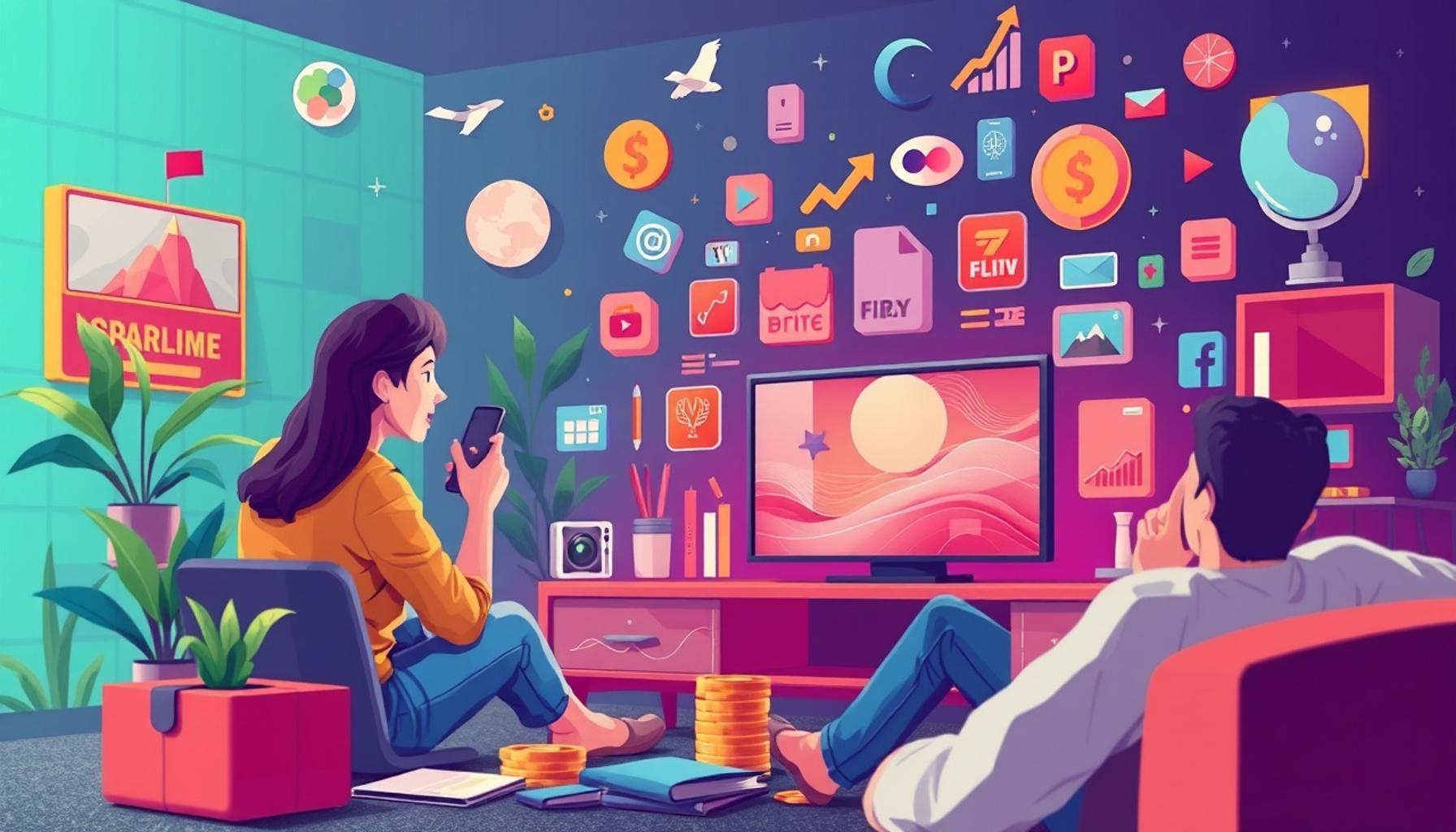
The dramatic evolution of the digital landscape has significantly reshaped how audiences discover and select films and television series. Central to this transformation are social networks, which serve as influential platforms where personal opinions and recommendations can swiftly alter viewing preferences and habits. With millions of users engaging online, sharing their insights and reviews, the influence of these platforms is truly profound.
User-Generated Content
One of the most compelling aspects of social networks is the user-generated content that thrives on these platforms. Whether it’s detailed reviews on platforms like Letterboxd or engaging discussions on Reddit, these contributions create a vibrant community atmosphere. For example, a well-written post about a lesser-known indie film can go viral, prompting many to watch the movie simply based on the enthusiastic buzz it generates. This communal validation not only reinforces individual choices but also encourages viewers to explore films they may not have considered otherwise.
Influencer Endorsements
Influencer endorsements further amplify the impact of social media on entertainment choices. For instance, when a prominent digital influencer, such as a YouTube movie critic or a TikTok personality, expresses their passion for a particular series, their followers often feel compelled to check it out. This trend can lead to significant spikes in viewership for that series. A great example is the success of Netflix’s “Squid Game,” which saw a surge in viewers partly due to social media discussions and endorsements from TikTok creators who showcased its intense storytelling and unique premise.
Trending Topics
The power of trending topics cannot be understated, either. Viral hashtags and challenges on platforms like Twitter and Instagram have the remarkable ability to bring attention to lesser-known titles. For instance, a simple hashtag, like #WatchThisShow, can exponentially increase a show’s visibility across millions of feeds, drawing in new viewers who may have otherwise overlooked it. This was seen with the resurgence of interest in older series like “The Office” or “Parks and Recreation,” which benefited from viral memes and challenges encouraging binge-watching.
As users scroll through tailored recommendations in their feeds, they experience a personalized viewing journey that greatly influences broader industry trends. Such insights provide valuable context for consumers to make informed viewing choices while appreciating the profound power of their online communities. In the upcoming sections, we will explore in-depth how these networks shape preferences and impact the entertainment industry significantly.
DISCOVER MORE: Click here to learn about the impact of interactive marketing
Understanding Audience Engagement Through Social Media
The rise of social networks has revolutionized how audiences engage with films and series. Unlike traditional media, where marketing and promotion heavily influenced viewer choices, social media democratizes the conversation. Viewers now have a voice and a platform to share their thoughts, which serves as a crucial reference point for others. This shift highlights the importance of understanding customer engagement through likes, comments, and shares. The mechanisms by which social networks influence viewing preferences can be categorized into several key factors:
- Real-Time Feedback: Social media allows users to share their impressions instantly. As soon as a movie premieres or a new episode drops, platforms are flooded with reactions and reviews. This immediate feedback can create a ripple effect that draws more viewers. For example, if a highly anticipated series receives positive feedback, potential viewers are more likely to tune in, fearing that they might miss out on a trending topic.
- Community Interaction: Social platforms foster community interactions where fans can discuss their favorite films and series. These interactions often lead to fan-driven content such as fan art, theories, and memes. A prime example is the fervent discussions surrounding shows like “Stranger Things,” where fans not only promote the series but also contribute rich narratives that enhance viewer engagement.
- Algorithmic Influence: Social networks utilize algorithms to curate content based on user preferences and past behavior. This means that as users interact with certain types of movies or shows, they start to receive tailored recommendations that align with their tastes. Netflix, for instance, leverages this technique to suggest content that reflects what users have previously enjoyed or engaged with on their social feeds.
This constellation of factors illustrates a complex interaction between social networks and customer preferences. Users are not merely passive recipients of information; they are active participants in a dynamic ecosystem that affects how films and series are promoted and perceived. Additionally, the role of social media extends to audience segmentation, as different platforms attract varying demographics and age groups.
Young adults may prefer TikTok for quick, engaging reviews and highlight reels, while older generations might lean towards Facebook for in-depth discussions and recommendations. This segmentation allows producers and marketers to strategize their promotional content effectively, targeting specific audiences with tailored messaging.
Moreover, the impact of social networks isn’t limited to online discussions. It can even extend to box office results and viewership statistics. Emerging trends highlighted through social media can dictate not just individual preferences but also larger market movements, clearly reflecting the potency of customer opinions in shaping entertainment landscapes. As we delve further into this topic, we will examine the implications of these influences and how they work in tandem with broader industry trends.
DIVE DEEPER: Click here to explore the representation of cultural diversity in films</p
The Role of Influencers and Algorithms in Shaping Viewing Choices
In the realm of social media, influencers play a pivotal role in shaping customer preferences for movies and series. These individuals, who hold significant sway over their followers due to their perceived authenticity and relatability, can make or break a title’s success. Consider, for example, a popular YouTube channel that focuses on film reviews or a TikTok influencer who creates trendy content around a newly released series. When these influencers share their opinions, they often move the needle for their audience, encouraging followers to explore or avoid certain titles. This type of marketing—often referred to as influencer marketing—relies on trust. Followers deem recommendations from influencers as genuine, which leads to increased viewership for highlighted content.
Furthermore, collaboration between streaming platforms and influencers has become increasingly common. Promotions, watch parties, and exclusive previews enhance viewer engagement, giving potential customers a taste of what to expect and igniting their interest. For platforms like Netflix or Hulu, this represents not just an opportunity for heightened visibility, but also a chance to connect directly with potential viewers through a relatable lens. The responses generated from such promotions often circulate widely across social networks, amplifying the reach beyond traditional marketing methods.
Equally important is the role of algorithms in directing user experiences on social media platforms. These algorithms gather vast amounts of data, tracking user behavior to prioritize content that resonates with individual preferences. Consequently, if a viewer consistently engages with content related to horror films, they will likely receive targeted recommendations for similar titles on both social media and streaming platforms. This personalized content delivery is essential, as it minimizes the overwhelming choices available and rather offers viewers suggestions that align closely with what they are predisposed to enjoy.
Moreover, the understanding of virality and trends within social networks further informs customer preferences. Platforms like Twitter and Instagram exhibit trends that can snowball rapidly, causing films or series to become popular overnight. The phenomenon of “watercooler moments,” where viewers feel compelled to watch specific content due to widespread discussions online, exemplifies how social media can establish urgency and curiosity among potential viewers. It’s a compelling strategy for networks and studios looking to ensure their projects garner attention.
In addition to influencer engagement and algorithmic suggestions, the concept of user-generated content cannot be overlooked. Fans actively create and share their own takes on series, including fan fiction, reaction videos, and discussions. This user-generated content serves to heighten engagement and strengthen community bonds around particular titles. For instance, platforms like Reddit house numerous subreddits where discussions explode around popular series. The buzz generated in these communities often leads to increased audience interest as fans rally others to join in on the experience.
Finally, it’s vital to recognize that audience interactions don’t only shape personal viewing decisions but can also influence broader industry trends. Social media has the power to spotlight underrated films or series that may not have had significant marketing budgets. Success stories, such as “The Queen’s Gambit,” which gained traction largely due to social media and influencer promotion rather than a massive marketing campaign, demonstrate how viewer enthusiasm can elevate a title to massive popularity.
DISCOVER MORE: Click here to learn about the power of diverse storytelling</p
Conclusion
As we’ve explored, the influence of social networks on customer preferences for movies and series has become increasingly pronounced. Social media platforms act as a powerful vehicle for showcasing content, allowing films and television series to gain traction through user-generated buzz, influencer endorsements, and trendsetting discussions. This interconnected ecosystem enables both viewers and creators to engage deeply, fostering communities that rally around shared interests and experiences.
The role of influencers and algorithms is vital in this dynamic. Influencers provide a personal touch, making recommendations feel authentic and relatable, while algorithms ensure that content tailored to individual tastes reaches the right audiences. Together, these elements create an environment where even lesser-known titles can achieve unexpected success, as seen in the case of “The Queen’s Gambit.”
Additionally, the prevalence of user-generated content deepens viewer engagement and generates a sense of belonging among fans. As communities thrive on platforms like Reddit and Instagram, the collective enthusiasm contributes significantly to the visibility and appeal of certain titles. In essence, social networks not only shape personal viewing choices but also reshape broader industry trends, highlighting the importance of viewer advocacy and word-of-mouth in the digital age.
In conclusion, as social networks continue to evolve, their impact on our viewing habits will only intensify. Film studios and streaming services need to remain adaptable, utilizing these platforms to navigate the ever-changing landscape and connect with audiences in meaningful ways. Understanding this influence is critical to harnessing the full potential of storytelling in the modern era.